
Your blog post
Blog post description.
12/20/20251 min read
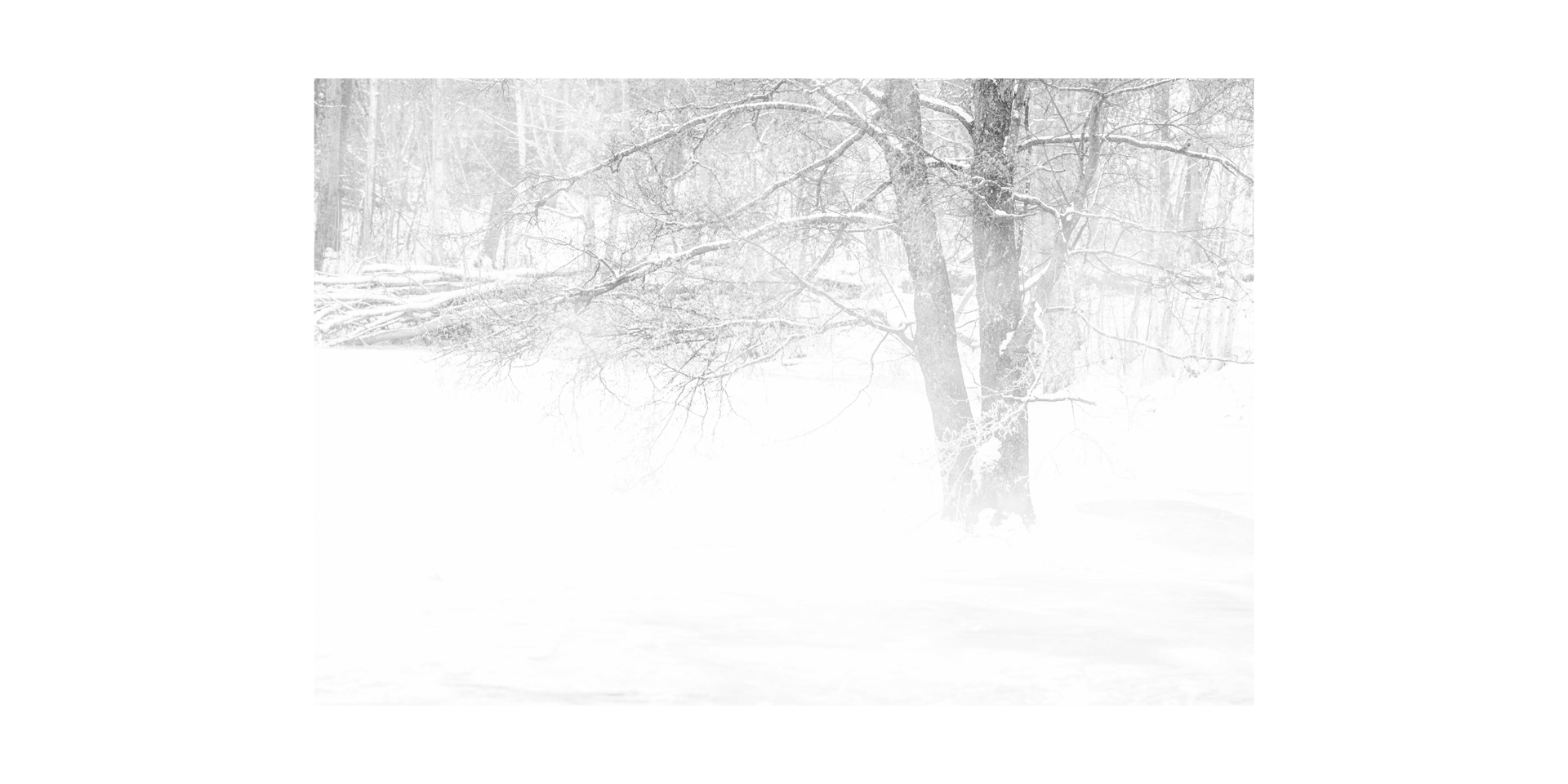
Driving in a Blizzard?
“If you can’t SEE, you can’t drive.”
Blizzards aren’t just snowy days — they’re dangerous driving conditions. High winds, blowing snow, icy pavement, and sudden whiteouts can turn a familiar route into a high-risk situation within minutes. When visibility drops, so does reaction time — and even the most experienced drivers can lose control fast.
If you can’t clearly see the road, lane markings, signs, or other vehicles, take it as a clear warning: it’s not safe to drive. And remember — if you can’t see, there’s a good chance other drivers can’t see you either. Whiteout conditions make it nearly impossible to judge distance or speed, increasing the risk of collisions, spinouts, and becoming stranded.[mpi]
Before you head out, pause and ask: Is this trip necessary right now?
Check the weather, monitor road reports, and listen for travel advisories. Delay travel whenever possible. If you must drive, reduce speed, increase your following distance, keep headlights and taillights on, and watch for black ice — especially on bridges and overpasses. In Manitoba, if you’re crawling at a greatly reduced speed due to severe conditions like blowing snow, you may turn on hazard lights to warn others you’re moving slowly.[mpi]
Most importantly, remember: choosing not to drive is a smart safety decision, not a sign of weakness. Parking safely and waiting out the storm can prevent serious harm — to you and everyone else on the road.[mpi]
In a blizzard, visibility is everything.
If you can’t SEE, you can’t drive.
And if you can’t see, you likely can’t be seen.
Choose safety.